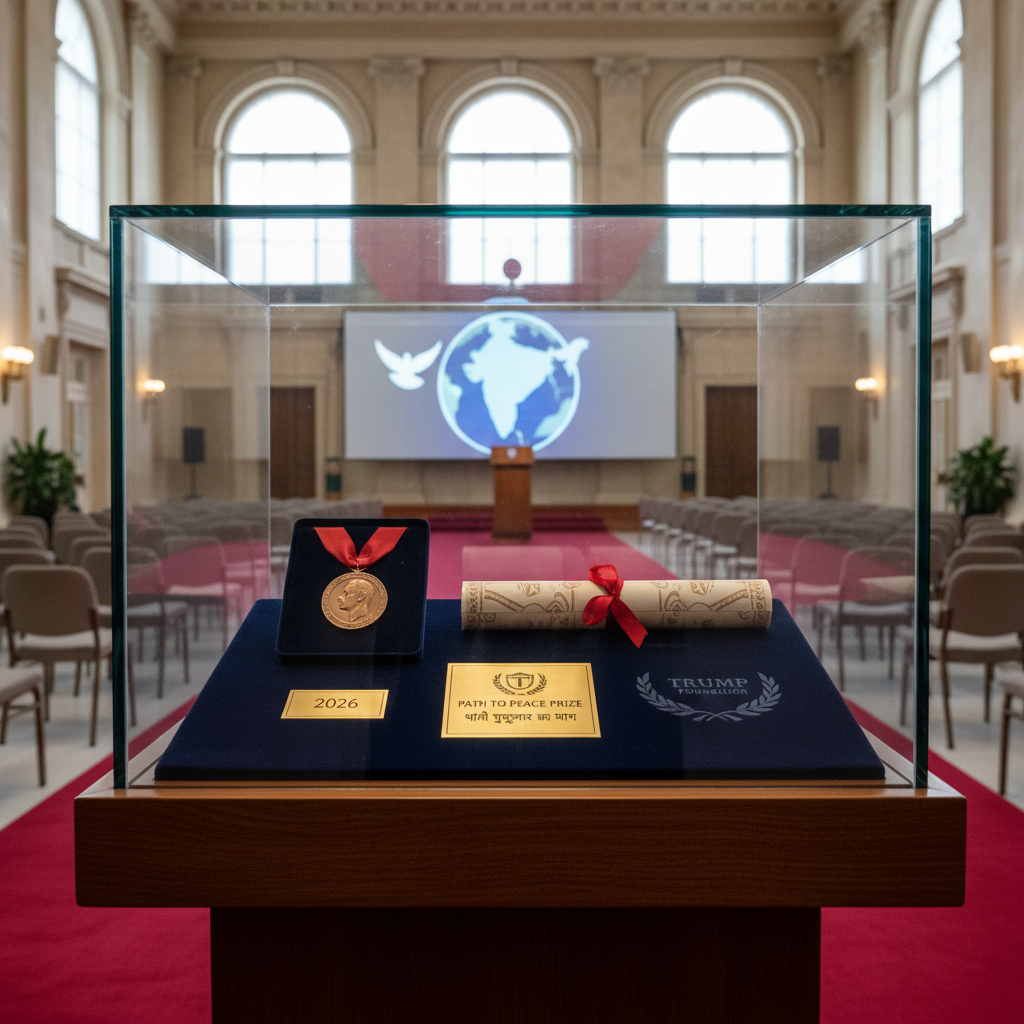
2026 नोबेल शांति पुरस्कार की भविष्यवाणियां: क्या ट्रंप विवादास्पद विजेताओं की सूची में शामिल हो सकते हैं?
2026 नोबेल शांति पुरस्कार के लिए 31 जनवरी की नामांकन समय सीमा तेजी से नजदीक आने के साथ, डोनाल्ड ट्रंप सट्टेबाजी बाजारों के अनुसार एक आश्चर्यजनक अग्रणी...

2026 नोबेल शांति पुरस्कार के लिए 31 जनवरी की नामांकन समय सीमा तेजी से नजदीक आने के साथ, डोनाल्ड ट्रंप सट्टेबाजी बाजारों के अनुसार एक आश्चर्यजनक अग्रणी के रूप में उभरे हैं, जिससे इस बात पर तीव्र बहस छिड़ गई है कि क्या पूर्व राष्ट्रपति पिछले विवादास्पद विजेताओं की सूची में शामिल हो सकते हैं।
ट्रंप वर्तमान में BetOnline.ag पर 5/1 की सट्टेबाजी बाधाओं में अग्रणी हैं, हालांकि ग्रीनलैंड और वेनेजुएला के संबंध में हाल की व्हाइट हाउस टिप्पणियों के बाद उनकी संभावनाओं को तेजी से घटते हुए वर्णित किया गया है। राष्ट्रपति को कई स्रोतों से औपचारिक नामांकन प्राप्त हुए हैं, जिनमें रिपब्लिकन सांसद, पाकिस्तान, इजरायल और डेमोक्रेटिक रिपब्लिक ऑफ कांगो की सरकारें शामिल हैं, मुख्य रूप से इजरायल और हमास के बीच युद्धविराम में उनकी भूमिका का हवाला देते हुए।
15 जनवरी 2026 को एक अत्यधिक प्रतीकात्मक इशारे में, वेनेजुएला की विपक्षी नेता मारिया कोरिना माचाडो ने एक निजी व्हाइट हाउस बैठक के दौरान ट्रंप को अपना 2025 नोबेल शांति पुरस्कार पदक भेंट किया। जबकि यह प्रस्ताव वेनेजुएला के नेता निकोलस मादुरो का विरोध करने में ट्रंप की भूमिका का सम्मान करने के लिए था, नॉर्वेजियन नोबेल संस्थान ने जल्दी से स्पष्ट किया कि पुरस्कार साझा या स्थानांतरित नहीं किया जा सकता है, और माचाडो आधिकारिक विजेता बनी हुई हैं।
यदि ट्रंप 10 अक्टूबर 2026 को समिति द्वारा अपने निर्णय की घोषणा करने पर जीतते हैं, तो वे उन विवादास्पद विजेताओं की सूची में शामिल हो जाएंगे जिन्होंने महत्वपूर्ण आलोचना को जन्म दिया है। बराक ओबामा को 2009 में उनके राष्ट्रपति पद के केवल नौ महीने बाद पुरस्कार मिला था, एक निर्णय जिसके लिए नोबेल संस्थान के पूर्व निदेशक को बाद में पछतावा हुआ, उन्होंने अपनी आत्मकथा में लिखा कि समिति ने सोचा था कि पुरस्कार राष्ट्रपति को मजबूत करेगा लेकिन इसका यह प्रभाव नहीं पड़ा।
हेनरी किसिंजर का 1973 का पुरस्कार पुरस्कार के इतिहास में सबसे विवादित में से एक बना हुआ है। राज्य सचिव को वियतनाम युद्धविराम में मध्यस्थता के लिए सम्मान मिला, बावजूद इसके कि उन्होंने बातचीत के दौरान हनोई पर बमबारी का आदेश दिया था। दो समिति सदस्यों ने विरोध में इस्तीफा दे दिया, और उनके सह-प्राप्तकर्ता, उत्तरी वियतनाम के ले दुक थो ने पुरस्कार के अपने हिस्से को स्वीकार करने से इनकार कर दिया।
1994 में यासर अराफात को दिया गया पुरस्कार समान रूप से विभाजनकारी साबित हुआ, एक नोबेल समिति सदस्य ने इस्तीफा दे दिया और अराफात को दुनिया का सबसे प्रमुख आतंकवादी कहा। हाल ही में, इथियोपिया के अबी अहमद ने 2019 में इरिट्रिया के साथ शांति स्थापित करने के लिए जीत हासिल की, केवल अगले वर्ष जब उत्तरी इथियोपिया में संघर्ष शुरू हुआ तो युद्ध अपराधों के आरोपों का सामना करना पड़ा।
आंग सान सू की के म्यांमार की राज्य परामर्शदाता के रूप में कार्यकाल ने रोहिंग्या अल्पसंख्यक के उत्पीड़न को संबोधित करने में उनकी विफलता के लिए अंतरराष्ट्रीय निंदा की, जिससे उनके 1991 के शांति पुरस्कार की विरासत धूमिल हो गई। ये उदाहरण उजागर करते हैं कि कैसे नोबेल समिति ने अक्सर उपलब्धि पर आकांक्षा को पुरस्कृत किया है, स्थापित परिणामों के बजाय आशा के आधार पर विजेताओं का चयन किया है।
समिति को गंभीर चूकों के लिए भी आलोचना का सामना करना पड़ा है, विशेष रूप से महात्मा गांधी, जिन्हें 1937 और 1948 के बीच पांच बार नामांकित किया गया था लेकिन उनकी हत्या के वर्ष में शॉर्टलिस्ट किए जाने के बावजूद कभी पुरस्कार नहीं मिला। गांधी को मान्यता देने में विफलता को व्यापक रूप से पुरस्कार के इतिहास में सबसे महत्वपूर्ण त्रुटि माना जाता है।
2026 के लिए अन्य रिपोर्ट किए गए अग्रणी में 6/1 बाधाओं पर सूडान के आपातकालीन प्रतिक्रिया कक्ष, 8/1 पर मेडिसिन्स सैन्स फ्रंटियर्स, 9/1 पर ईरानी मानवाधिकार कार्यकर्ता नरगेस मोहम्मदी, और 10/1 पर रूसी विपक्षी नेता एलेक्सी नवलनी की विधवा युलिया नवलनया शामिल हैं। फिलिस्तीनी शरणार्थियों के लिए संयुक्त राष्ट्र राहत और कार्य एजेंसी भी 10/1 पर है।
नॉर्वे की संसद द्वारा नियुक्त पांच सदस्यीय समिति नामांकन और विचार-विमर्श के बारे में सख्त गोपनीयता बनाए रखती है, 50 साल बीत जाने तक व्यक्तियों को नामांकित किया गया है या नहीं इसकी पुष्टि या इनकार करने से इनकार करती है। हालांकि, नामांकनकर्ता कभी-कभी जागरूकता और समर्थन उत्पन्न करने के लिए सार्वजनिक रूप से अपनी पसंद की घोषणा करते हैं।
चाहे ट्रंप अंततः पुरस्कार प्राप्त करें या नहीं, उनकी अग्रणी स्थिति दर्शाती है कि नोबेल शांति पुरस्कार विवाद और बहस उत्पन्न करना जारी रखता है। पुरस्कार ने लंबे समय से पिछली उपलब्धियों को पहचानने और भविष्य की प्रगति को प्रोत्साहित करने के बीच संतुलन बनाया है, एक तनाव जिसने प्रेरित विकल्प और ऐसे निर्णय दोनों उत्पन्न किए हैं जो खराब तरीके से पुराने हो गए हैं। जैसे-जैसे अक्टूबर नजदीक आता है, दुनिया देखेगी कि क्या समिति एक राजनीतिक रूप से उत्तेजक चयन का विकल्प चुनती है या मानवीय क्षेत्र से एक सुरक्षित सहमति उम्मीदवार चुनती है।