2026 सेवानिवृत्ति बजट की वास्तविकता जांच: बढ़ती स्वास्थ्य देखभाल लागत कैसे सामाजिक सुरक्षा लाभों को कम कर रही है
2026 में प्रवेश करने वाले सेवानिवृत्त लोगों को एक कठोर वित्तीय वास्तविकता का सामना करना पड़ रहा है जो तत्काल बजट समायोजन की मांग करती है। जबकि सामाजिक...
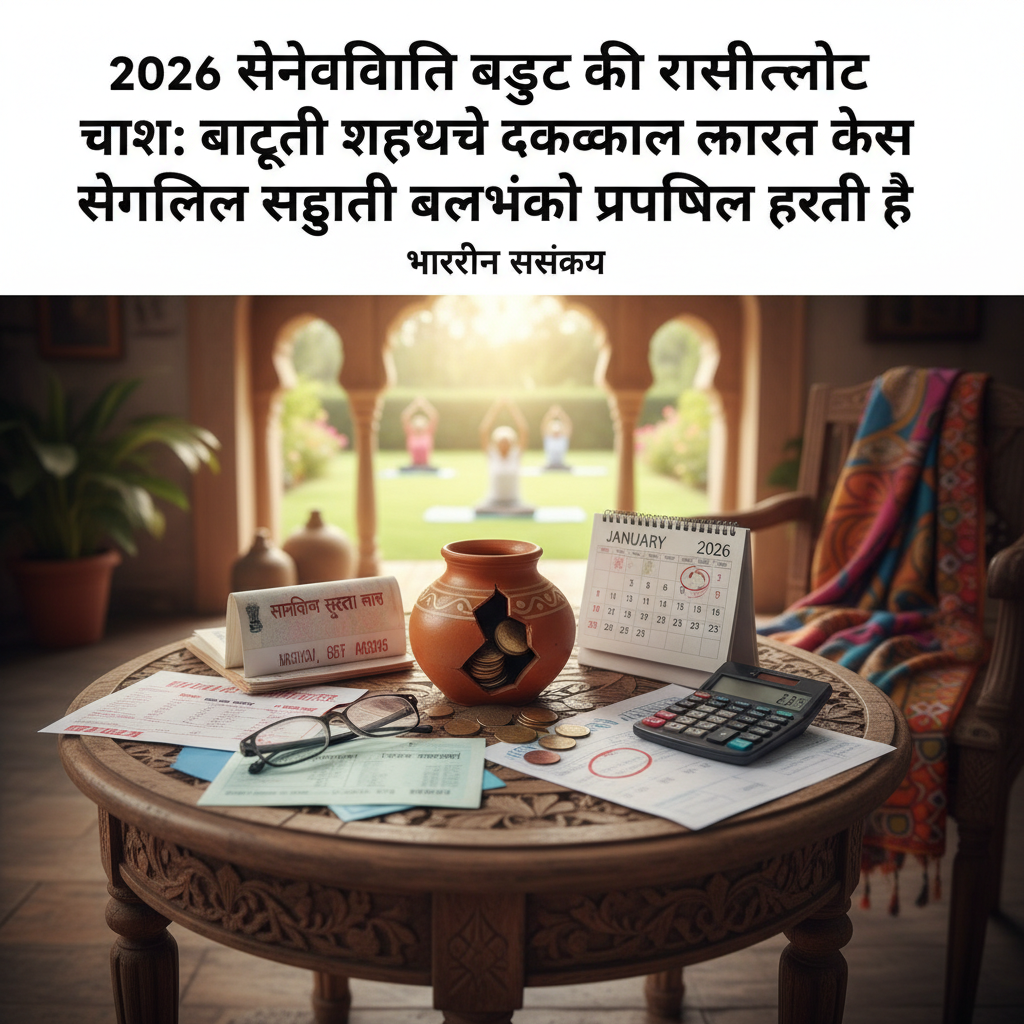
2026 में प्रवेश करने वाले सेवानिवृत्त लोगों को एक कठोर वित्तीय वास्तविकता का सामना करना पड़ रहा है जो तत्काल बजट समायोजन की मांग करती है। जबकि सामाजिक सुरक्षा लाभार्थियों को इस जनवरी में 2.8 प्रतिशत जीवन-यापन लागत समायोजन मिला, बढ़ते स्वास्थ्य देखभाल खर्च इन लाभों का लगभग एक तिहाई हिस्सा खा रहे हैं, जिससे निश्चित आय पर रहने वाले कई लोगों को क्रय शक्ति बनाए रखने में संघर्ष करना पड़ रहा है।
आंकड़े एक गंभीर कहानी बयान करते हैं। मेडिकेयर पार्ट बी प्रीमियम पहली बार दो सौ डॉलर की सीमा पार कर गया है, जो 2025 में $185 से बढ़कर मासिक $202.90 हो गया है। यह लगभग 10 प्रतिशत की वृद्धि दर्शाता है जो सामाजिक सुरक्षा चेक से स्वचालित रूप से काट ली जाएगी। COLA वृद्धि से प्रति माह लगभग $56 अधिक प्राप्त करने वाले औसत सेवानिवृत्त के लिए, लगभग $18 तुरंत उच्च मेडिकेयर प्रीमियम को कवर करने के लिए गायब हो जाते हैं।
अस्पताल की लागत और भी नाटकीय रूप से बढ़ रही है। अस्पताल में भर्ती के लिए मेडिकेयर पार्ट ए कटौती योग्य राशि अब $1,736 है, जो पिछले वर्ष से $60 अधिक है। विस्तारित अस्पताल में भर्ती की आवश्यकता वाले सेवानिवृत्त लोगों को 61 से 90 दिनों के बीच रहने के लिए प्रति दिन $434 की सह-बीमा लागत का सामना करना पड़ता है। ये वृद्धि चल रहे स्वास्थ्य देखभाल मुद्रास्फीति को दर्शाती है जो सामान्य जीवन-यापन लागत समायोजन को पीछे छोड़ती जा रही है, जिससे निश्चित आय वाले लोगों के लिए एक बढ़ता अंतर पैदा हो रहा है।
मुद्रास्फीति स्वयं दिसंबर तक 2.7 प्रतिशत पर जिद्दी तरीके से ऊंची बनी हुई है, जो फेडरल रिजर्व के 2 प्रतिशत लक्ष्य से काफी ऊपर है। अर्थशास्त्रियों का अनुमान है कि मुद्रास्फीति 2026 के दौरान 2.2 से 2.7 प्रतिशत के बीच बनी रहेगी, जिसका अर्थ है कि किराने का सामान, उपयोगिताओं और परिवहन जैसे आवश्यक खर्च सामाजिक सुरक्षा लाभों की वृद्धि की तुलना में तेजी से क्रय शक्ति को कम करते रहेंगे।
वित्तीय विशेषज्ञ इन दबावों से लड़ने के लिए कई ठोस रणनीतियों की सिफारिश करते हैं। दो से पांच साल की परिपक्वता वाले उच्च गुणवत्ता वाले बॉन्ड में नकदी से संपत्ति को स्थानांतरित करना वर्तमान प्रतिफल को लॉक कर सकता है जबकि ब्याज दरों में गिरावट आने पर संभावित पूंजी प्रशंसा के लिए स्थिति बना सकता है। ट्रेजरी मुद्रास्फीति-संरक्षित प्रतिभूतियां मुद्रास्फीति हेज का एक आधार बनी हुई हैं, जो क्रय शक्ति को संरक्षित करने के लिए उपभोक्ता मूल्य सूचकांक के साथ अपने मूल मूल्य को समायोजित करती हैं।
2026 के लिए सेवानिवृत्ति खाता योगदान सीमाएं बढ़ गई हैं, जो अभी भी काम कर रहे लोगों के लिए एक उज्ज्वल स्थान प्रदान करती हैं। 50 वर्ष से कम उम्र के कर्मचारी 401k योजनाओं में $24,500 तक का योगदान कर सकते हैं, जबकि 60 से 63 वर्ष के लोग बढ़ाए गए कैच-अप योगदान से लाभान्वित होते हैं जो $32,500 के कुल योगदान की अनुमति देते हैं। IRA सीमाएं $7,500 तक बढ़ गईं, 50 से अधिक उम्र के बचतकर्ताओं के लिए अतिरिक्त $1,100 कैच-अप के साथ।
पहले से आय प्राप्त कर रहे सेवानिवृत्त लोगों के लिए, कर रोक अनुकूलन एक अक्सर अनदेखा अवसर प्रस्तुत करता है। कई सेवानिवृत्त लोगों को बड़े कर रिफंड मिलते हैं, जो अनिवार्य रूप से सरकार को ब्याज-मुक्त ऋण प्रदान करते हैं। W-4 रोक या अनुमानित कर भुगतान को समायोजित करने से बढ़ते स्वास्थ्य देखभाल और जीवन यापन खर्चों को कवर करने के लिए मासिक नकदी प्रवाह मुक्त हो सकता है।
मेडिकेयर लागत सर्पिल में कम होने के कोई संकेत नहीं हैं। पार्ट डी प्रिस्क्रिप्शन ड्रग डिडक्टिबल 2025 से $25 बढ़कर $615 हो गया, जबकि आउट-ऑफ-पॉकेट कैप बढ़कर $2,100 हो गई। महंगी दवाओं की आवश्यकता वाली कई पुरानी स्थितियों का प्रबंधन करने वाले सेवानिवृत्त लोगों के लिए ये वृद्धिशील वृद्धि तेजी से बढ़ती है।
वित्तीय सलाहकार सेवानिवृत्ति में भी स्टॉक एक्सपोजर बनाए रखने के महत्व पर जोर देते हैं। पोर्टफोलियो का 40 से 55 प्रतिशत इक्विटी में आवंटित करने से घोंसले के अंडे समय के साथ मुद्रास्फीति से आगे निकलने के लिए पर्याप्त रूप से बढ़ने में मदद करते हैं। लघु से मध्यम अवधि के बॉन्ड और नगरपालिका बॉन्ड निश्चित आय भाग को पूरा करते हैं, जो ऐतिहासिक रूप से आकर्षक बनी प्रतिफल का लाभ उठाते हैं।
2026 के लिए वास्तविकता स्पष्ट है: निष्क्रिय सेवानिवृत्ति बजट अब पर्याप्त नहीं है। सेवानिवृत्त लोगों को सक्रिय रूप से स्वास्थ्य देखभाल खर्चों का प्रबंधन करना चाहिए, कर रोक को अनुकूलित करना चाहिए, विकास-उन्मुख निवेश बनाए रखना चाहिए, और नियमित रूप से खर्च पैटर्न का पुनर्मूल्यांकन करना चाहिए। जो लोग अनुकूलन करने में विफल रहते हैं, वे अपनी सावधानीपूर्वक संचित बचत को अनुमान से अधिक तेजी से कम होते देखने का जोखिम उठाते हैं, संभावित रूप से लगातार मुद्रास्फीति और बढ़ती स्वास्थ्य देखभाल लागतों के युग में अपने संसाधनों से अधिक जीवित रहते हैं।