Gen Z Forces Fashion Revolution: Thrift Culture and AI Sustainability Reshape Industry in 2026
As of January 2026, Generation Z is fundamentally transforming the fashion industry through an unprecedented embrace of sustainable practices that is ...
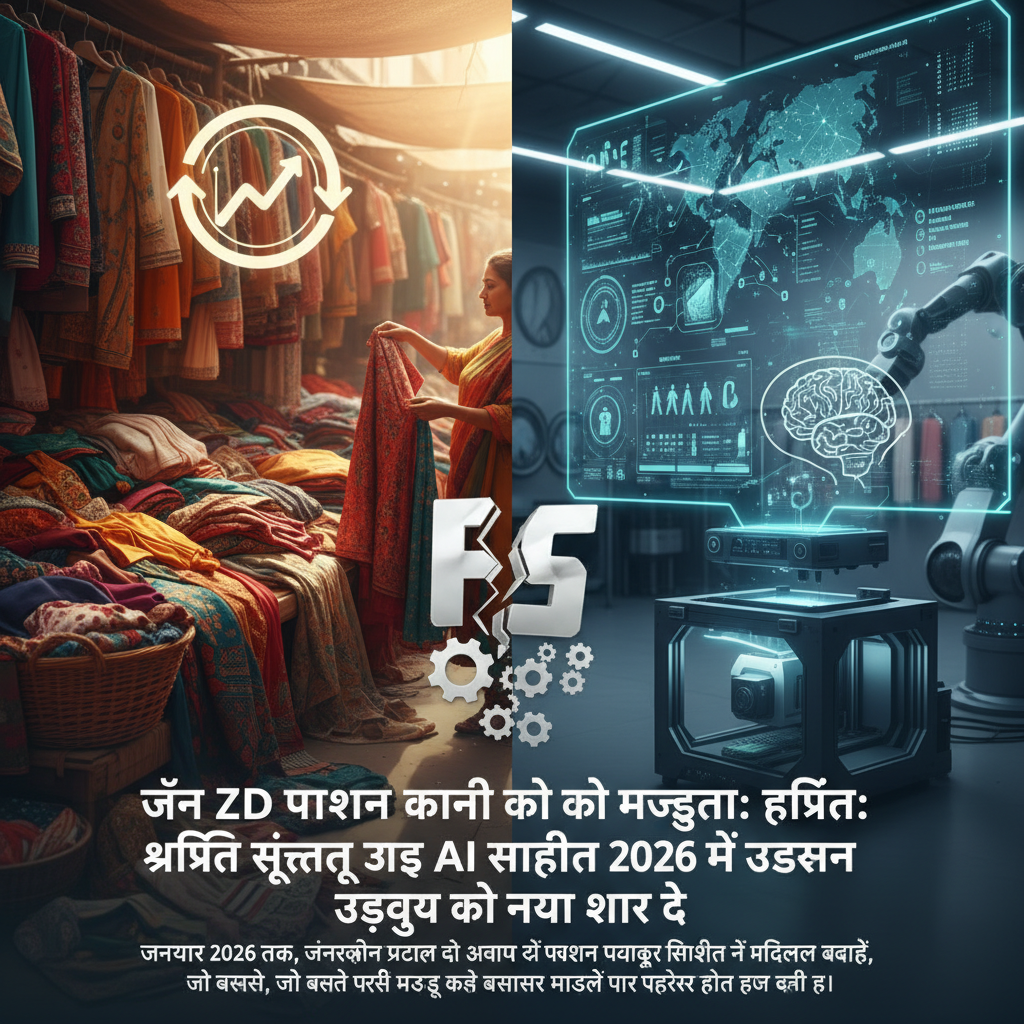
As of January 2026, Generation Z is fundamentally transforming the fashion industry through an unprecedented embrace of sustainable practices that is forcing even the largest fast fashion brands to reconsider their business models. The secondhand market has exploded to a staggering $228 billion globally, with Gen Z consumers driving this seismic shift through their wallets and their values.
The statistics paint a remarkable picture of generational change. According to recent market analysis, 40% of Gen Z's closet now consists of pre-owned items, and one in three Gen Z consumers describe themselves as addicted to thrifting. This isn't merely a passing trend—72% have actively shifted their spending away from environmentally harmful retailers to thrift stores, while searches for US thrift stores and upcycled fashion grew 52% heading into 2026.
Rental fashion services are experiencing parallel growth, with the global apparel rental market reaching $7.5 billion in 2026. Platforms like Nuuly, Rent the Runway, and peer-to-peer marketplace Pickle are capitalizing on Gen Z's desire to access fashion without the environmental cost of ownership. The online rental market is growing at a robust 8.5-9.5% annually, demonstrating that this shift represents a fundamental change in how young consumers approach clothing consumption.
Artificial intelligence is emerging as a critical ally in the sustainability revolution. AI-powered design tools are now generating thousands of clothing variations from a single sketch, predicting fit across diverse body types while dramatically reducing fabric waste. Virtual prototype libraries allow brands to test designs digitally at scale, preventing overproduction by blending market forecasting with historical data. These innovations are making sustainable production both environmentally responsible and economically advantageous.
Yet this transformation isn't without its contradictions. Despite 73% of Gen Z consumers stating they're willing to pay more for sustainable products—more than any other generation—an attitude-behavior gap persists. Economic pressures create challenges for young consumers who want to shop sustainably but face financial constraints. Additionally, 88% of Gen Z shoppers don't trust companies' sustainability claims, forcing brands to move beyond token gestures like H&M's Conscious line toward genuine transparency.
Fast fashion brands are struggling to adapt to this new reality. It's no longer enough to simply label products as sustainable or launch influencer collaborations. Gen Z demands radical transparency, authentic commitment to ethical sourcing, and long-lasting design that rejects the disposable fashion model. The brands that survive this revolution will be those that recognize sustainability isn't a trend but a baseline expectation for the future of fashion.
The environmental impact of these changes is measurable and significant. Thrifting clothing reduces carbon emissions by an average of 25% compared to buying new, and 85% of shoppers recognize thrifting as environmentally beneficial. As Gen Z continues to reshape fashion consumption through secondhand shopping, rental services, and demand for AI-optimized sustainable production, they're proving that style and environmental responsibility aren't mutually exclusive—they're inseparable.