Sankranti 2026 in Nellore: Where Ancient Traditions Meet Modern Shopping Frenzy
As the sun entered Capricorn at precisely 3:13 PM on January 14, 2026, Nellore witnessed a spectacular fusion of age-old customs and contemporary cons...
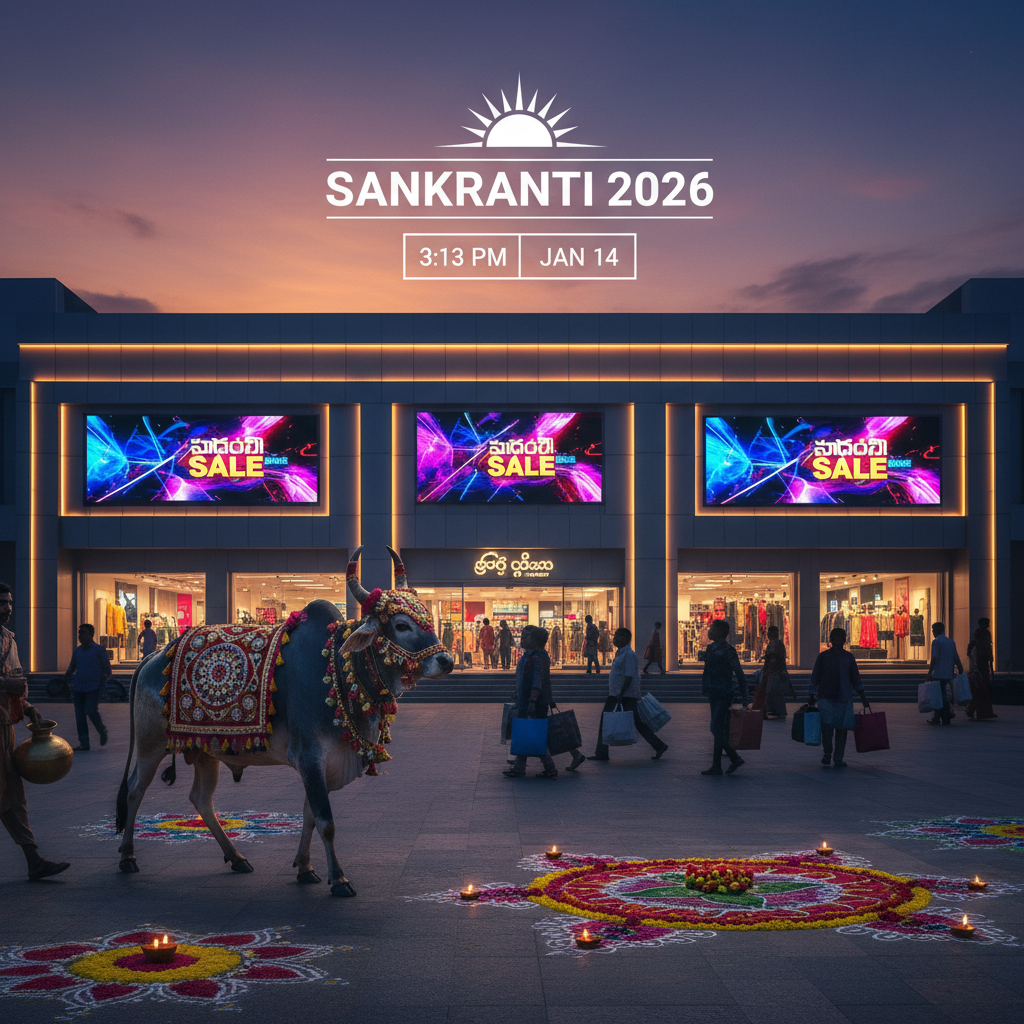
As the sun entered Capricorn at precisely 3:13 PM on January 14, 2026, Nellore witnessed a spectacular fusion of age-old customs and contemporary consumer culture during this year's Sankranti celebrations. The coastal Andhra Pradesh city transformed into a vibrant tapestry of devotion and commerce, as families honored the harvest festival while markets experienced unprecedented footfall.
Temple bells resonated across Nellore from the early hours of Bhogi on January 13, with devotees thronging sacred spaces for the traditional holy bath rituals. According to reports, temples remained packed throughout the three-day celebration, with families seeking blessings before beginning their festive preparations. Women created elaborate muggulu designs using rice flour at temple entrances, while the aroma of burning Bhogi Mantalu filled the morning air as communities gathered around bonfires to discard old belongings and embrace renewal.
The commercial landscape of Nellore experienced a transformation that mirrored the festival's significance in Andhra Pradesh, where Sankranti is considered the biggest celebration of the year. Shopping areas witnessed what local retailers described as record-breaking crowds, with textile showrooms, jewelry stores, and malls remaining packed late into the night. The Sunday Market area in Nellore saw particularly intense activity as residents scrambled to purchase everything from silk sarees and traditional dhotis to children's festive wear, creating traffic slowdowns in several busy localities.
This year's celebrations highlighted the economic dimension of cultural festivities, as the rush extended beyond traditional items to include modern consumer goods. Streets remained crowded as families balanced their shopping lists between customary requirements like sesame seeds and jaggery for making Ariselu sweets, and contemporary festival needs. The shopping surge reflected not just preparation for Sankranti, but also the tradition of gifting and renewal that defines the festival in Telugu households.
The railway platforms and bus stations of Nellore painted another picture of the festival's pull, with crowds surging as people traveled to reunite with families. The three-day structure of the celebration, spanning Bhogi, Pedda Panduga (the main Sankranti day), and Kanuma, meant extended periods of festive activity. As of January 14, the city continued to buzz with preparations for the remaining days, with Kanuma on January 16 set to honor cattle and domestic animals in traditional rural ceremonies.
While kite-flying enthusiasts took to terraces across the city, symbolizing the shift toward longer summer days, and cockfights drew crowds in rural pockets despite ongoing debates about the tradition, the underlying theme remained consistent: Sankranti 2026 in Nellore represented both preservation and evolution. The festival marked not just the end of the winter rabi harvest season, but also demonstrated how traditional celebrations continue to drive significant economic activity in tier-two Indian cities.